EN
EN  FR
FR 

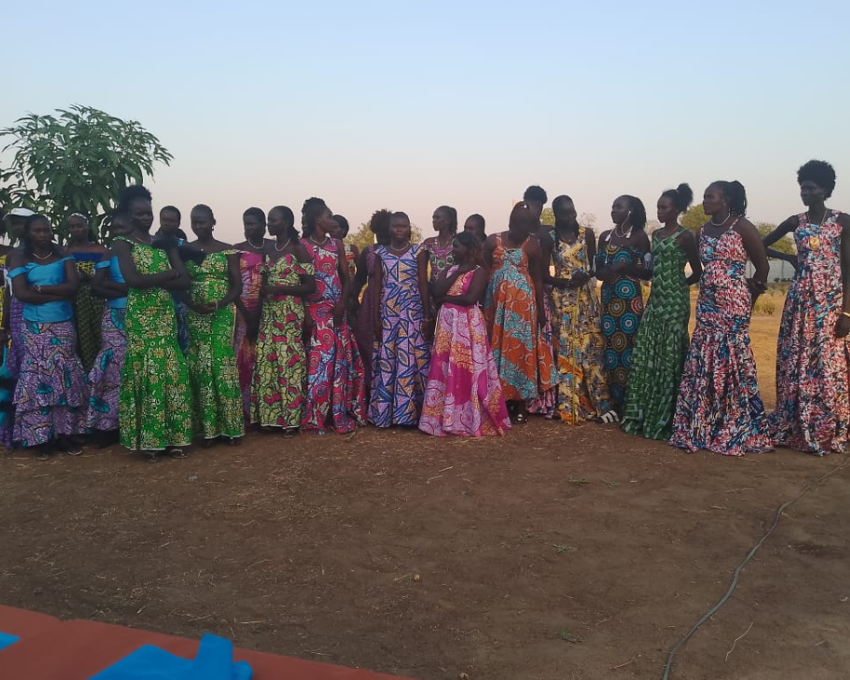
Nutritious breakfast supports women’s and children’s health, energy, and well-being.
Objective of the NSTM
Nutrition is a cornerstone of good health and well-being for women, children, and girls. It impacts every aspect of life, particularly for women, influencing physical health as well as mental and emotional well-being. A nutritious breakfast is vital for all participants in our program, as it replenishes energy stores and provides essential nutrients. This directly impacts academic performance, concentration, and overall health and wellness. Women need a balanced breakfast to help avoid hunger and prevent collapsing due to low blood sugar (hypoglycemia), which can affect hormonal health and the intake of key nutrients like iron and calcium.
Food insecurity and financial constraints affect a substantial number of women, making them a vulnerable group. Many experience food insecurity, at times coming to class feeling very weak. This was highlighted by a young woman who collapsed and was found to be hypoglycemic; when she recovered and was asked about it, she revealed that she had not eaten for three days due to a lack of food. When lactating women skip breakfast, it primarily impacts their health, energy, and nutrient stores, which can indirectly affect breast milk supply and composition.
Breastfeeding requires an additional 350-500 calories per day, and skipping breakfast makes it difficult to meet this increased energy need, leading to heightened feelings of hunger, exhaustion, and fatigue. Additionally, skipping breakfast—a common habit among women due to poverty—has been linked to higher rates of menstrual pain and irregular menstruation. This may be related to disruptions in the body’s circadian rhythm
The Country's First-Ever Free Childcare Program