FR
FR  EN
EN 
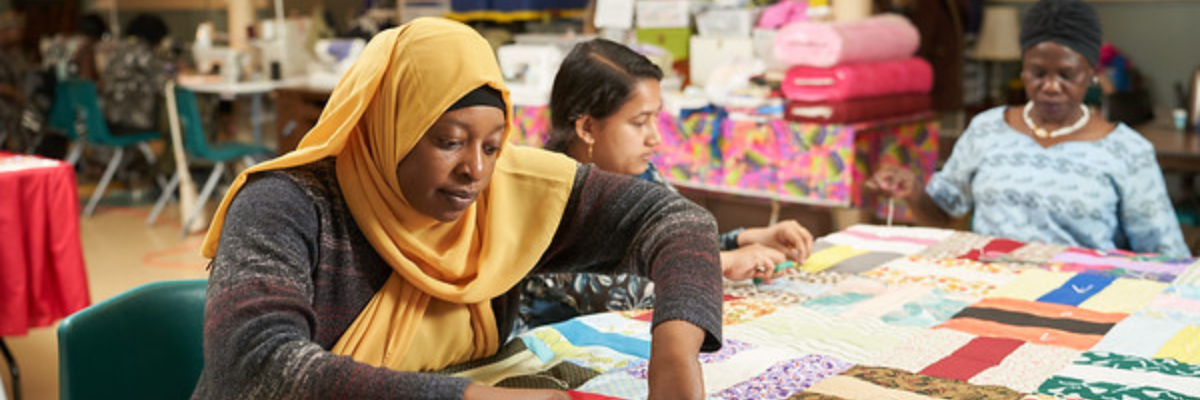
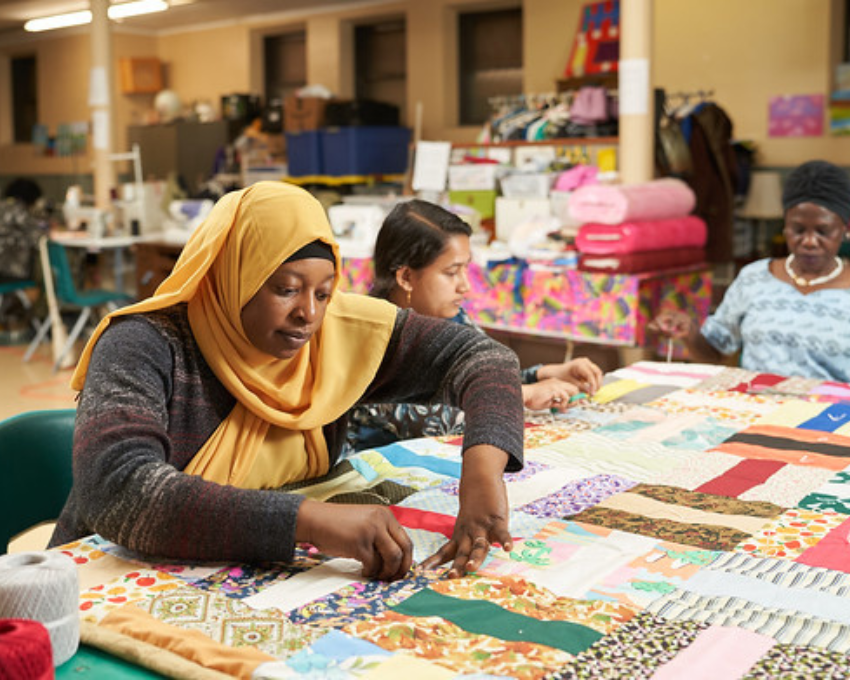
To offer programming to war-affected newcomers and immigrants including refugees, especially women, to acquire employment and overall wellness in Canada.
Our Vision
A Community of Empowered Women:
Together, by encouraging and educating, every woman, including immigrants and refugees, should have the skills, confidence, and emotional wellness they need to succeed in Canada. We also envision boosting women’s ability to support themselves in South Sudan, in a region ravaged by war and natural disasters
Our Mission
To offer programming to war-affected newcomers and immigrants, including refugees, especially women, to acquire employment and overall wellness in Canada.
TEEC’s primary demographic comprises low-income immigrants and refugee women who often face systemic barriers hindering their access to other necessities. These individuals grapple with limited job opportunities, mental health issues, lack of housing, and reliance on social assistance and food banks due to inflation and low income. TEEC remains steadfast in promoting food security as a human right and advocates for systemic reforms addressing the root causes of food insecurity and socioeconomic disparities.
TEEC is housed in a spacious facility in the basement of the First Lutheran Church, located at 580 Victor Street in Winnipeg’s West End, which supports the diverse needs of our participants.
Most participants are single mothers and hail from Afghanistan, Chad, the Central African Republic, Colombia, the Democratic Republic of Congo, Ecuador, Egypt, Ethiopia, Eritrea, Iraq, Kenya, Myanmar, Nepal, Nigeria, Peru, Sierra Leone, Somalia, Sudan, South Sudan, Syria and Tamil Nadu. Most participants have been in Canada for 2 to 3 years, with the majority being permanent residents and a few Canadian citizens who are still on their integration journey
Our Values
Our core values are empowerment, equality, inclusivity, and reconciliation. The center provides a safe and neutral space where women can come together to engage, share their experiences, and work towards common goals. By offering educational training and workshops, fostering skill development, and promoting cross-cultural understanding, our center serves as a hub for women to access support services.
Needs Assessment
Research indicates that immigrant and refugee women in Canada face significant barriers to labour market integration, marked by underemployment, discrimination, and underutilization of their skills (Ferrer, 2024). Moreover, the gender wage gap and labour market participation rates underscore the systemic inequities, with immigrant women facing the largest within-job gender wage gap (Drolet, M., & Mardare Amini, M., 2023, p.5; Devillard et al., 2017, p.43). These challenges are even more pronounced for women affected by war.
Our Approach: Meeting Women Where They Are At
TEEC recognizes the root cause of inequities faced by war-affected newcomer women and provides targeted support to enhance employment skills development, addressing the systemic barriers to successful integration and economic independence. The organization’s activities are designed to foster skills, self-reliance, and confidence, helping participants transform their lives and contribute to more inclusive and equitable communities.
Rebecca Deng, the founder and Executive Director of the Excel Empowerment Centre Inc., was born in Sudan and is a former "lost girl of Sudan." In the late 1980s, she fled to Ethiopia with thousands of other war-affected children after being separated from her parents due to the civil war. In 1991, Rebecca and other South Sudanese refugees fled Ethiopia amidst its civil conflict. She arrived in Kenya in 1992 and lived in the Kakuma refugee camp until 1999, when she relocated to the Dadaab Ifo refugee camp in Northeast Kenya, seeking resettlement opportunities in Canada for a safer life with her children. Ultimately, in October 2005, she arrived in Canada through the government’s refugee resettlement program.
Upon her arrival in Canada, Rebecca faced challenges in finding a job due to a lack of resources available to support women. She balanced an overnight security job, daytime adult classes, and single parenting two children.
This rich experience informs our work as we strive to have leaders on board who understand the issues surrounding resettlement and integration barriers. Despite these obstacles, Rebecca’s resilience and determination inspired her to create a support network for other immigrant and refugee women experiencing similar hardships. Through her lived experience, she recognized the importance of tailored programming that addresses not only employment and language barriers but also the social and emotional needs of women adjusting to life in Canada. Her leadership has been instrumental in shaping TEEC’s holistic approach, which includes wraparound services such as mental health support, community-building activities, and advocacy for systemic change.